About
I have spent most of my life putting expensive creative tools within reach of people starting out.
Effects, editing, compositing, stills, and now generative AI — and the companies and the teams built around them. The tools change every few years. What makes them usable does not.
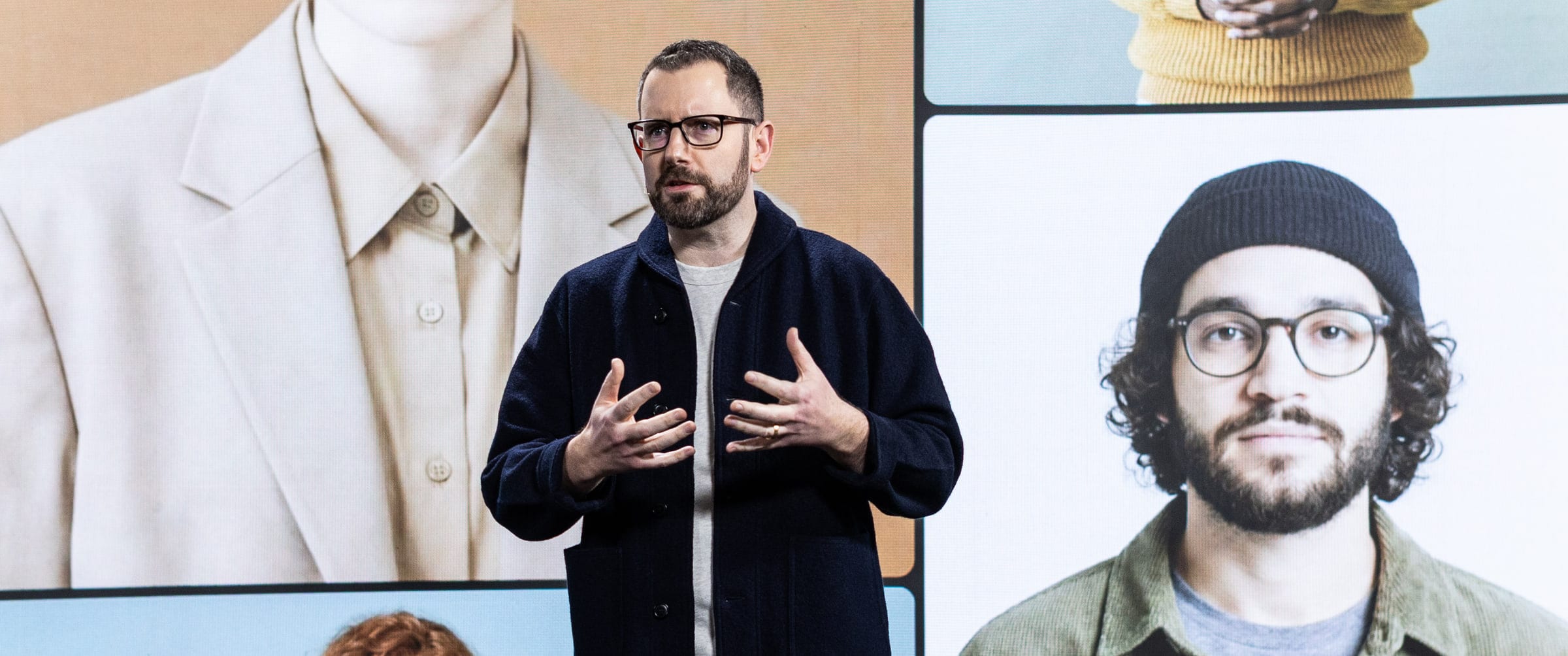
The first one was for my father. He framed paintings for a living — Rembrandt, Picasso, Manet, Monet — in a Norfolk workshop he opened in 1969, and by the middle of the nineties he wanted to show a client how their painting would look framed before anybody cut anything. By hand that was hours of image manipulation for one option, and a client usually wanted three. I was eighteen. I had been programming since I was five and doing graphics since the late eighties, so the job came to me. Here in the UK, The Times covered it in 1996. It was slow but it wasn’t half bad, and a big deal to me.
I went to the University of East Anglia to read History of Art, fully intending to join the family business afterwards. Then a friend set out to make their own mashup of Star Wars and The Matrix, and disappeared for weeks drawing a lightsaber blade onto every individual frame by hand. I wanted them back for serious things, like playing video games, so I wrote something that let them draw the blade every tenth frame and worked out the ones in between. That was the first product.
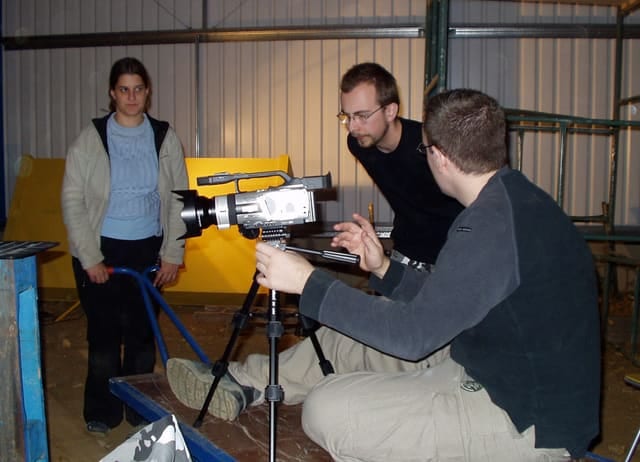
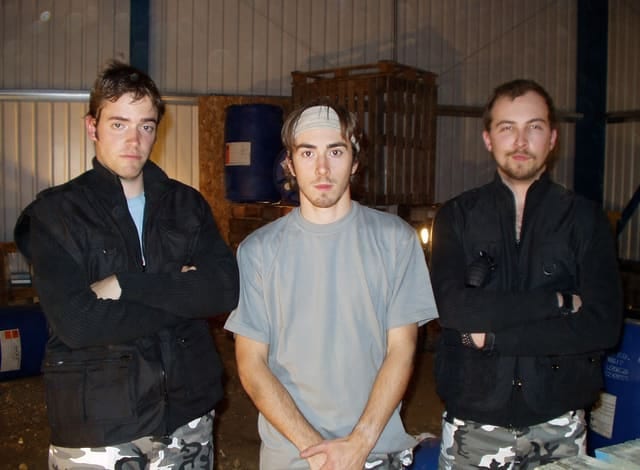
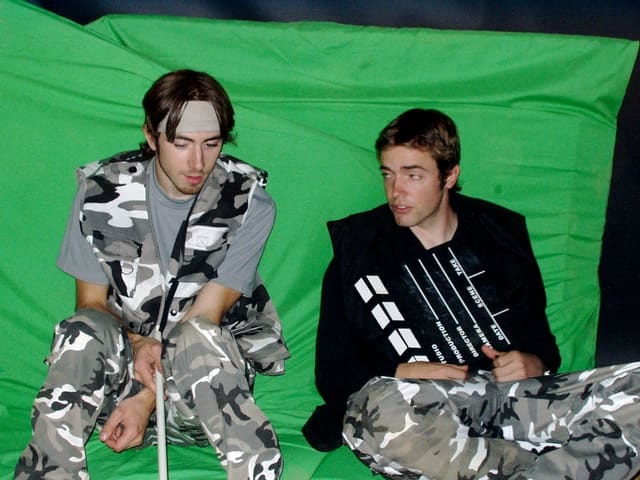
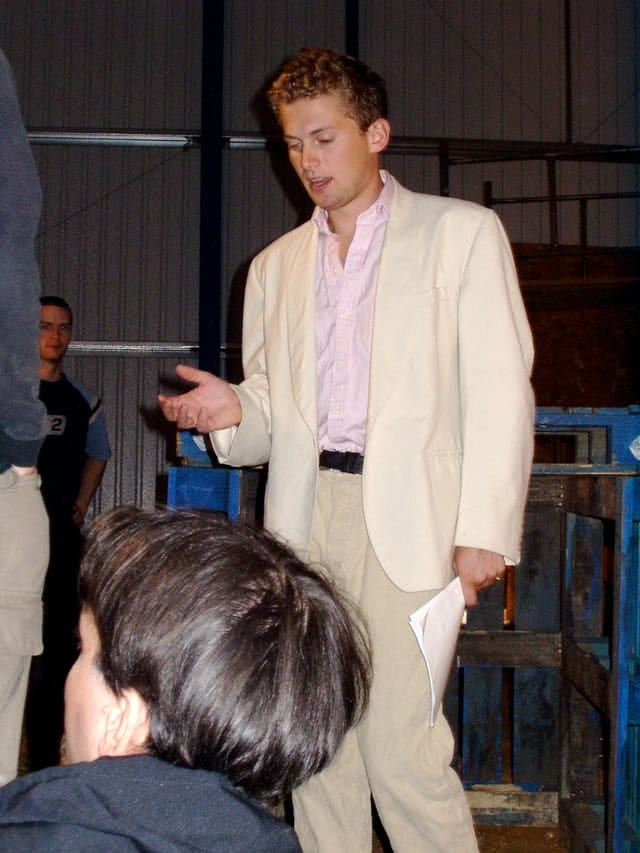
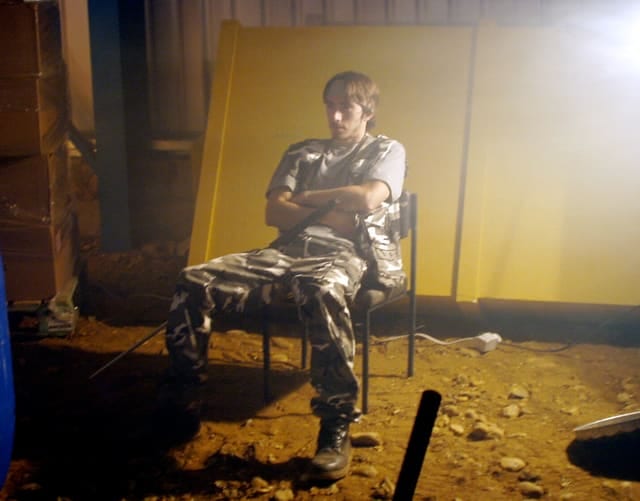
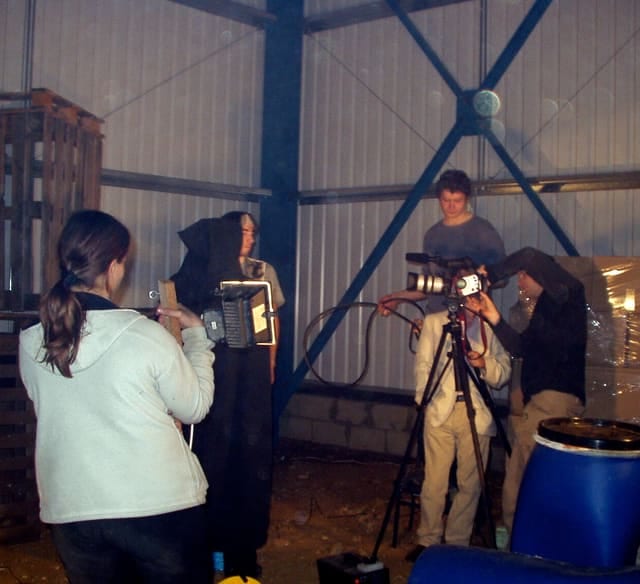
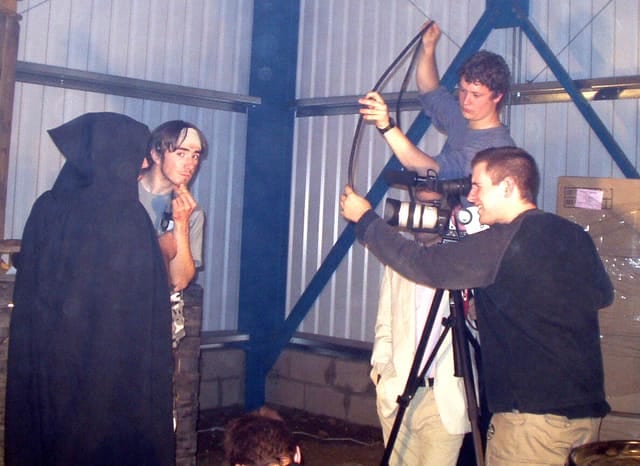

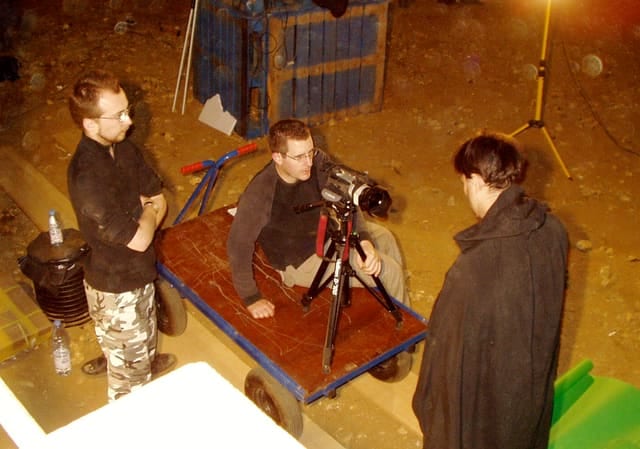

In 2001, within about six months of graduating, I founded FXhome in Norwich with my university room-mate and best friend. I ran it for the next twenty years. The first decade of that went into effects tools, keying tools and plugins — twenty-odd releases, each with a community around it. Then we built HitFilm, which put editing, compositing and visual effects in one place, and six million people used it. We also built plugin technology that shipped to tens of millions of users and worked inside every major video-editing and post-production host on the market.
The entry version of HitFilm was pay-what-you-want: pay nothing, or pay something and send a large share of it to charity. To their enormous credit, huge numbers of our customers chose to pay — hundreds of thousands of dollars, to COVID relief and to environmental causes. They were mostly young and mostly at the start of something, and they cared about the world as much as they cared about the work.
So we taught. An education team funded and staffed like a product team: tutorials, workshops, masterclasses and free content. A tool nobody can learn is just a licence fee, and that community deserved better than that. It is the part of the company I am proudest of.
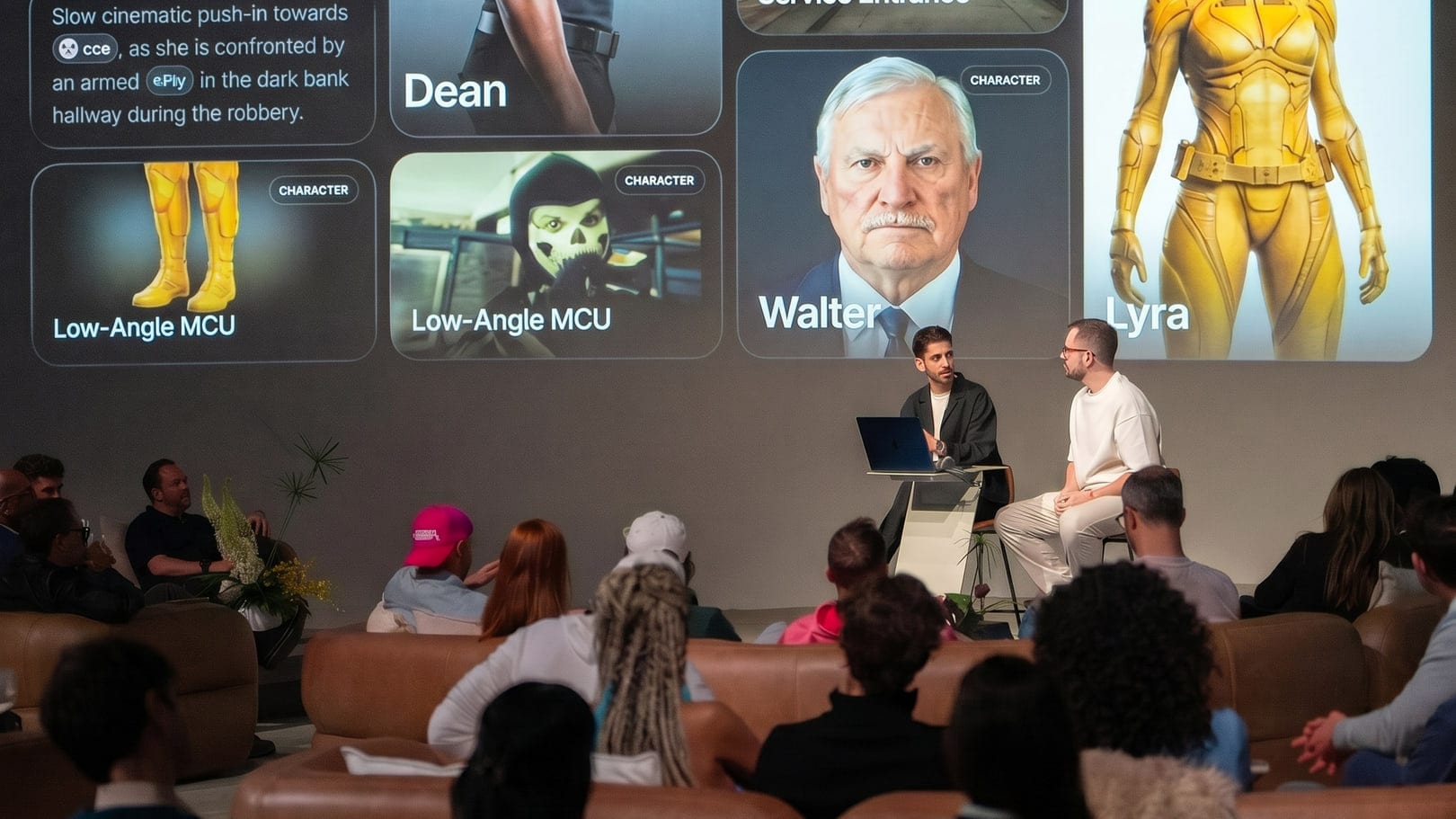
In 2021, after being pursued by several global technology companies, I led FXhome through an eight-figure acquisition by Artlist. I ran the UK software business first, then became Global Chief Innovation Officer — finding what was coming and proving it, in first-generation prototypes and in working products, and then making the case for them to the board and on stage at the company's events around the world.
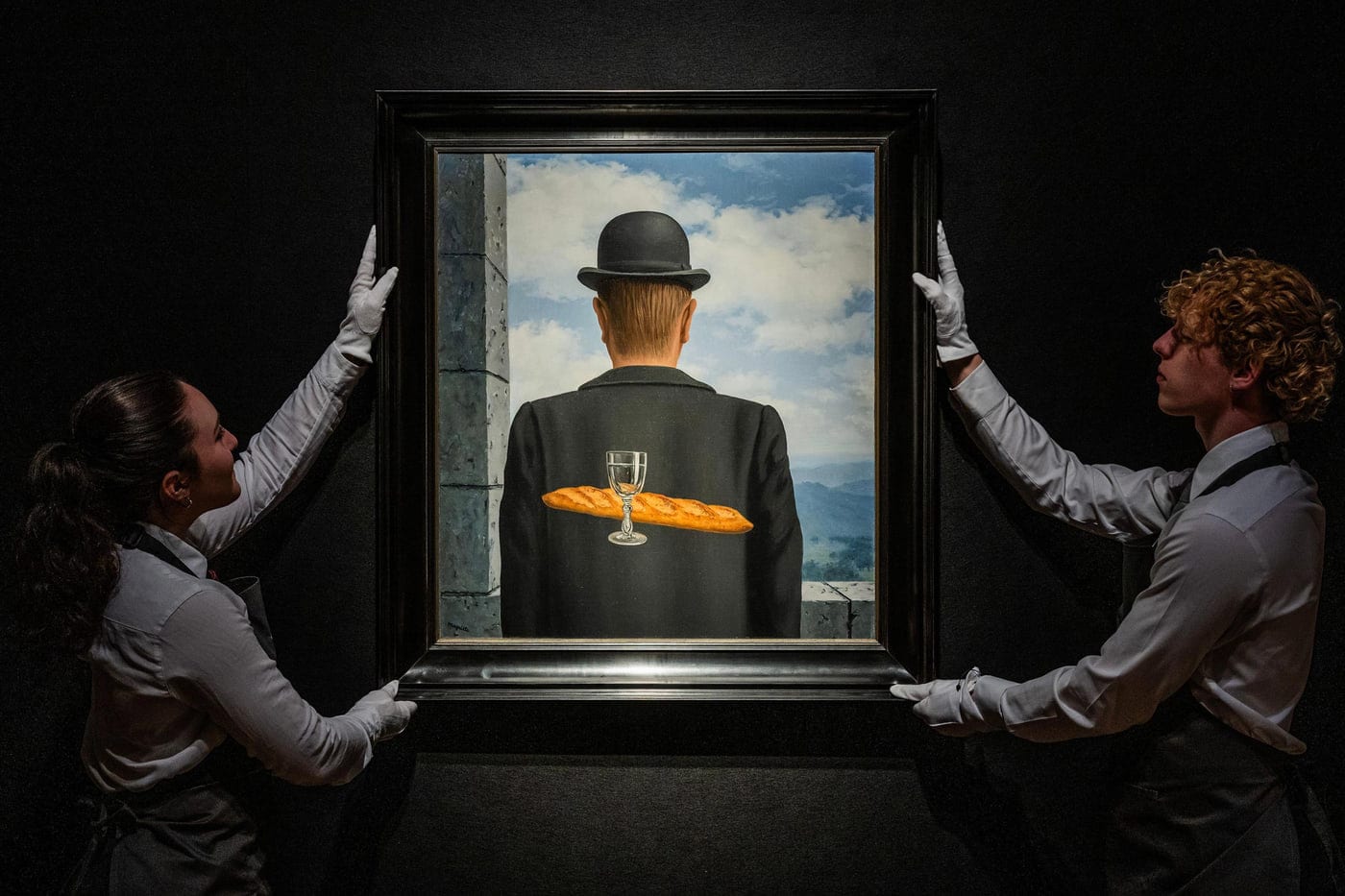
Today I am Strategic Advisor to Artlist, Strategic Advisor to Everslate, and Co-owner and Strategic Advisor of John Davies Framing, where the first problem came back around as FrameEdit: rendering good enough to decide from, a large frame library, and AI handling the parts a client should never have to think about. It has been used on a great many paintings since. One of them was René Magritte's L'empire des lumières, which sold in 2024 for $121.16 million — the only work of art to pass $100 million at auction anywhere that year.
Along the way I have advised drone startups, software companies, hardware manufacturers, Hollywood studios and Fortune 500 companies. I am usually building at the same time, and that is the whole reason the advice is worth anything: I have had to make the decision I am being asked about, with my own money and my own team. Twenty-five years in, I still can’t stop. I want to build something genuinely useful — and, best of all, something that lets a person do what they could not do before.
Off the record
I grew up in Fakenham, came to Norwich for university, and stayed, because it is a genuinely wonderful place to live. While I studied History of Art at university, I got my understanding of design — and my belief that a person can invent something — from my father.
My dad always told me you are never going to be the smartest person in the room, so the only thing that separates you from anybody else is how much effort you are willing to put in.
My father, a decent artist himself, spent his working life making frames for some extraordinary paintings — ones I was lucky to find myself around as a child. He wanted a frame to be sympathetic to the work it surrounded, and to enhance it. I have spent mine building the tools that enable somebody else’s idea, and enhance what they can make of it. Different trade, oddly similar job.
Outside all of this there is my amazing wife, who is putting in the herculean effort of looking after our twin toddlers — a boy and a girl — and me as well. Home is an 1840s rectory we are slowly putting back together: a beautiful house that deserves looking after, so that future families can enjoy it after us.
In the garage is a 1980s Porsche 944 S2 that I am converting to electric, glacially. I know considerably less about this than I do about software and AI, and I am enjoying it all the same.

START A CONVERSATION
That is the background. The interesting part is what you are deciding.
Tell me what you are weighing up and who is in the room when it is made. Three or four sentences is plenty — I would rather have the real question than a tidy brief.